
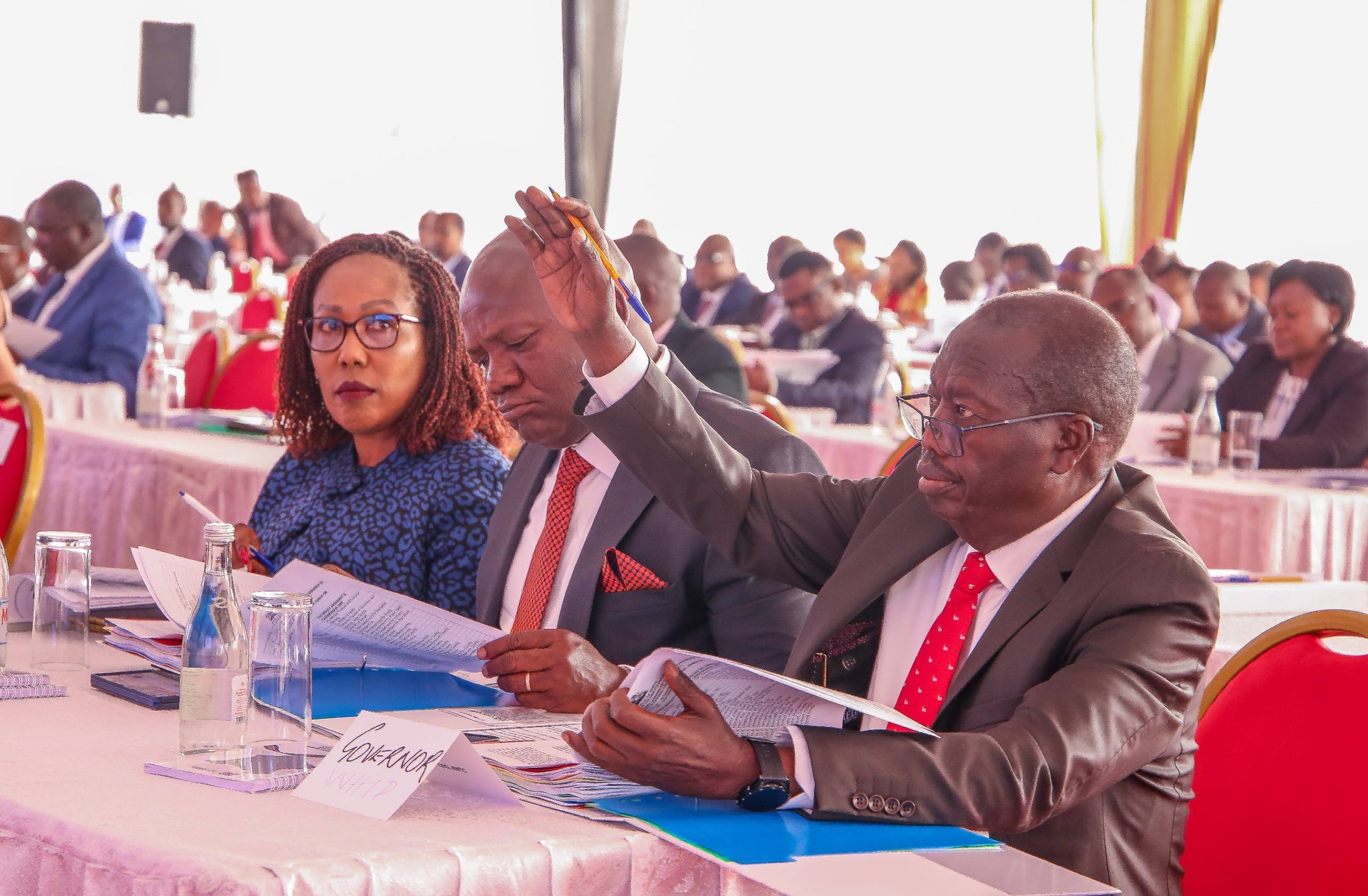
The race to 2027 is already reshaping Kenya’s political landscape, with first-term governors facing what could be their toughest test yet.
Rising public discontent, shifting political alliances, and an influx of formidable challengers are eroding the traditional advantage of incumbency, setting the stage for bruising contests across the counties.
First-term governors across Kenya are heading into what is shaping up to be a high-stakes political contest as they seek to secure re-election in 2027.
What once gave incumbents a clear edge is quickly fading, weighed down by growing public dissatisfaction, shifting alliances, and intensified political competition.
Early indicators suggest the next electoral cycle could see significant turnover at the county level, with anti-incumbency sentiment rising amid concerns over service delivery and stalled development.
At the same time, national political rivalries are increasingly spilling into county politics, turning local races into battlegrounds with national implications.
In Nairobi, Governor Johnson Sakaja finds himself at the centre of mounting political turbulence. His once-stable footing has been shaken following the death of Raila Odinga, who had previously played a key role in shielding him from political threats.
Raila had endorsed Sakaja’s re-election bid and intervened to halt an impeachment attempt in September 2025, blocking efforts by more than 80 MCAs.

That political truce now appears to have collapsed. Nairobi MCAs have reignited impeachment efforts, barely a year after the last attempt was defused. The renewed push follows Sakaja’s signing of a KSh80 billion cooperation agreement with the national government—an arrangement that has deepened tensions between the executive and the county assembly.
Speaking at a press briefing on March 3, 2026, Nairobi South Ward MCA Esther Waithera Chege confirmed that a fresh motion is imminent.
“We have enough signatures for the first round. The second round comes within seven days, and I can assure you we have an overflow of signatures,” she said, insisting the push is independent of previous attempts.
The cooperation deal has drawn mixed reactions, with critics accusing Sakaja of conceding incapacity, even as he maintains it will unlock critical resources for the capital. His re-election bid is further complicated by a crowded and competitive field.
Embakasi East MP Babu Owino has emerged as a formidable challenger, energising younger voters and reshaping Nairobi’s political dynamics.
“If ODM supports me, well and good. If not, I’ll still be on the ballot. Nairobi needs change, and I’m ready to deliver,” he said.
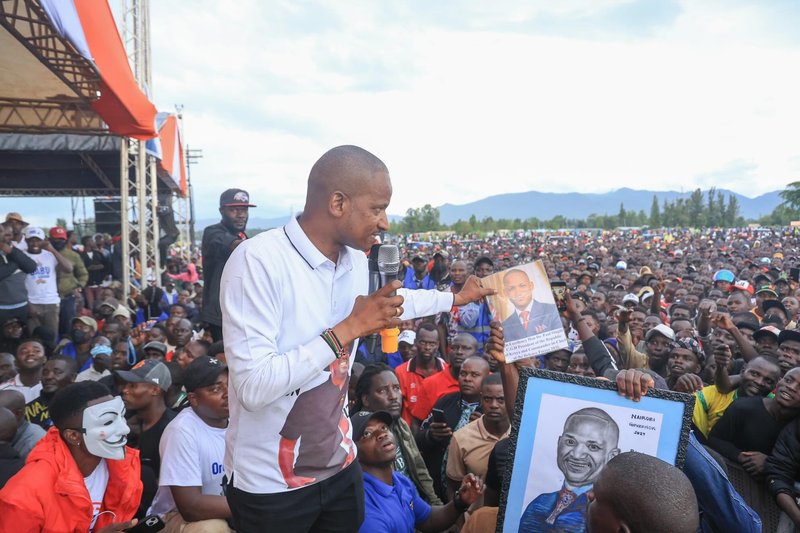
Other contenders, including Embakasi North MP James Gakuya and former Principal Secretary Irungu Nyakera, are also positioning themselves, highlighting fractures within the ruling coalition.
In Kiambu, Governor Kimani Wamatangi faces a different but equally complex challenge. While he still enjoys relative popularity, businessman John Mwaura—recently unveiled as a DCP candidate—poses a growing threat.
The rising influence of the DCP movement in the Mt Kenya region risks splitting Wamatangi’s support base, potentially forcing new alliances.
Nakuru Governor Susan Kihika is also under pressure amid criticism over her development record. Her position is further complicated by political crosscurrents following the fallout between President William Ruto and former Deputy President Rigathi Gachagua.
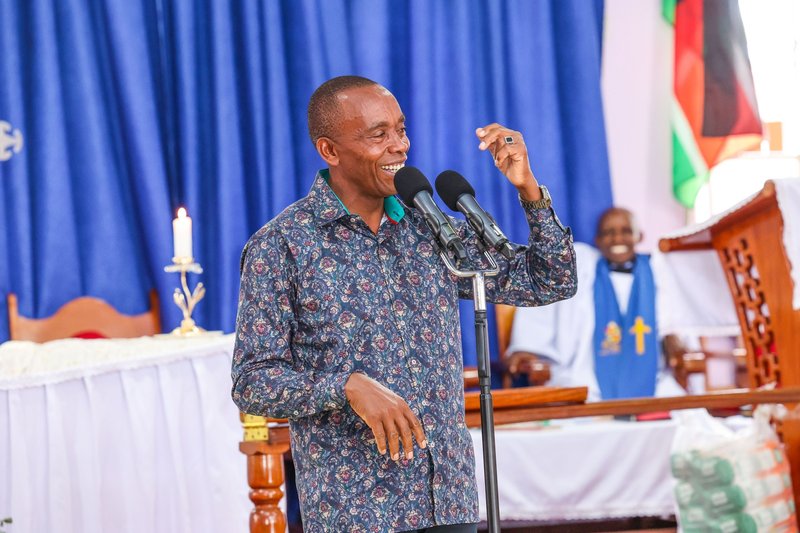
The breakdown of the once-solid Kikuyu-Kalenjin alliance has created new fault lines in the cosmopolitan county, with Senator Tabitha Karanja adding to the pressure through her growing political influence.
In Western Kenya, Kakamega Governor Fernandes Barasa is locked in a simmering rivalry with Woman Representative Elsie Muhanda, who has accused his administration of underperformance.
Kisii County presents another volatile contest, with Governor Simba Arati facing pressure from a resurging political force led by Jubilee deputy party leader Fred Matiang’i.
The presence of former Education CS Ezekiel Machogu—who finished second in 2022 and is now aligned with Matiang’i—adds further complexity. The decline of ODM’s dominance following Raila Odinga’s death has also destabilised the region’s political balance.
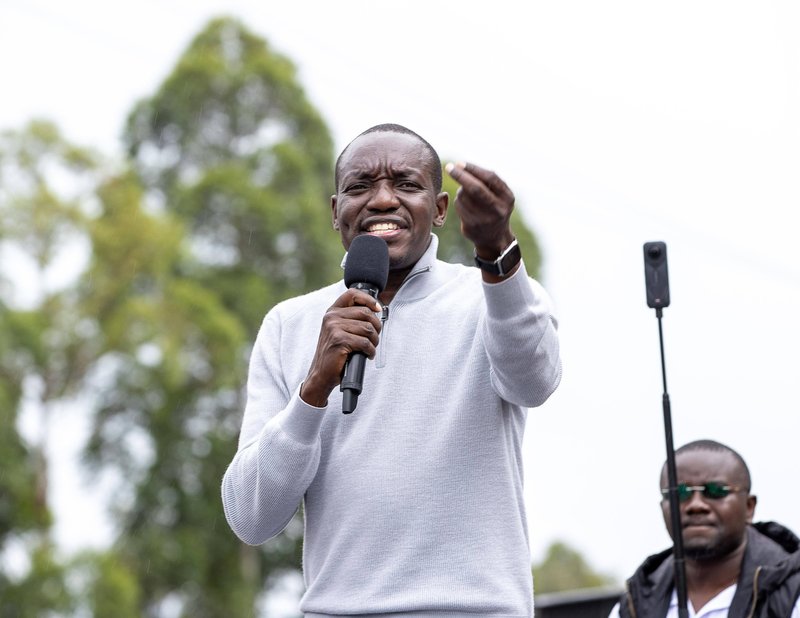
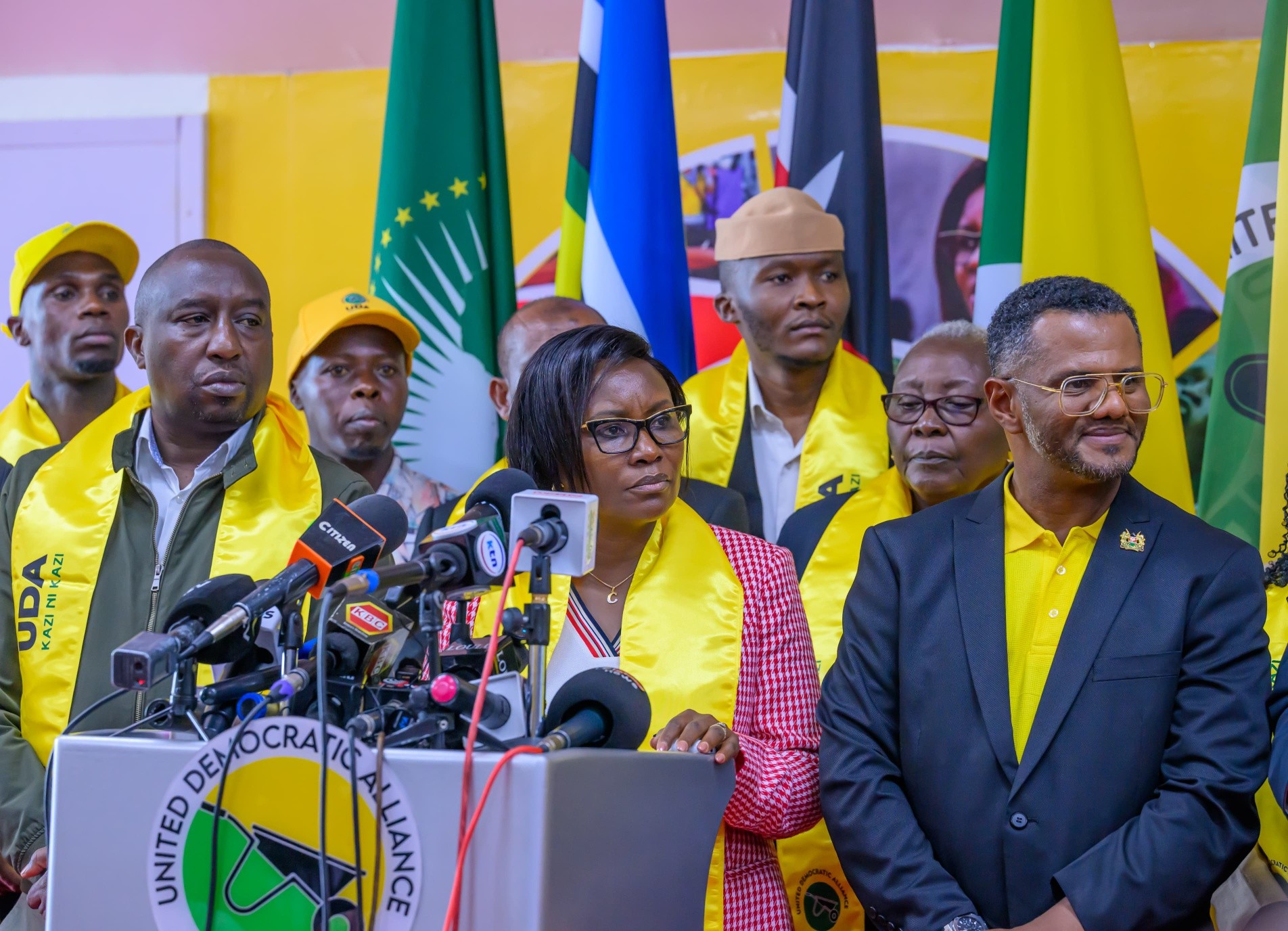
At the Coast, Mombasa Governor Abdulswamad Nassir faces stiff competition from UDA Secretary General Hassan Omar and Nyali MP Mohammed Ali, who has secured Wiper backing.
In a post on his official X account on April 25, 2026, Ali rallied supporters with a message of transformation.
“We refuse to watch Mombasa become a museum of broken dreams. We must believe in what it can become,” he said.
Elsewhere, Siaya Governor James Orengo faces internal ODM resistance, particularly from factions aligned with Senator Oburu Oginga.
In Nyandarua, Governor Moses Badilisha faces a strong challenge from former Cabinet Secretary Sicily Kariuki, amid the growing influence of the DCP movement.
Machakos Governor Wavinya Ndeti is expected to battle Mavoko MP Patrick Makau, while in Homa Bay, Governor Gladys Wanga is bracing for a fierce contest against her estranged deputy Oyugi Magwanga and former Nairobi Governor Evans Kidero.
Magwanga recently resigned, citing persistent political and administrative differences with Wanga, setting the stage for a highly charged race.
As the 2027 elections draw closer, one reality is becoming increasingly clear: incumbency is no longer a guarantee of survival.
Governors must now navigate a complex web of rivalries, shifting loyalties, and heightened voter expectations—making the upcoming elections one of the most unpredictable in Kenya’s devolved governance history.
Comments (0)
No comments yet. Be the first to comment!